Review: This is Boo Sheet Halloween Sign Svg for Embroidery
As a designer who spends more time than I care to admit staring at stitch density charts and testing thread colors, I approach every new digital asset with a mix of excitement and skepticism. When I first laid eyes on the This is Boo Sheet Halloween Sign Svg, my immediate reaction was not about the file formats or the download speed, but rather how this design would translate from a flat vector into a tactile, stitched reality. It falls squarely into the Crafts and Graphics categories, yet its potential extends far beyond simple digital use. The question that matters most is whether this design can hold up under the tension of a machine needle and deliver the professional finish that customers expect.
The First Impression: Mood and Visual Personality
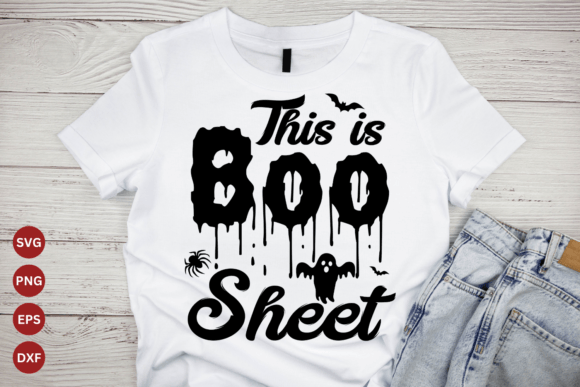
The moment you open the file, the mood is set. This isn't a generic pumpkin or a standard ghost; the playful typography combined with the classic "boo" theme creates an instant sense of whimsy. For a designer looking to build a cohesive brand around seasonal merchandise, the layout feels balanced without being cluttered. The curves in the lettering suggest movement, which translates well to embroidery because it guides the eye across the garment naturally. It feels like a design born for a cozy sweatshirt or a festive kitchen towel rather than a high-fashion runway piece. The visual personality is friendly and accessible, making it perfect for holiday gifts or boutique products where the goal is to evoke warmth and fun.
In the context of a real project, this design screams "personalized gift." It has that specific charm that makes a handmade item feel special. Unlike overly complex patterns that might get lost in the fabric weave, this design relies on clear shapes and readable text, which are the hallmarks of a successful machine embroidery design. It promises clarity, which is often the hardest thing to achieve when converting a graphic into stitches.
Real-World Application: From Screen to Stitch
Let's imagine a scenario: You are preparing for the fall season and need to create a line of custom embroidered tote bags for your Etsy shop. You decide to feature the This is Boo Sheet Halloween Sign Svg on these bags. As you load the file into your digitizing software, you notice the clean lines. However, the transition from screen to fabric requires careful consideration. If you are stitching this onto a canvas tote bag, the texture of the fabric will interact with the satin stitch used for the outlines. The design needs enough space to breathe so that the stitches don't pucker the heavy material.
I also tested this concept mentally on a baby onesie. The softness of the garment pairs beautifully with the playful nature of the design. However, placing it on a stretchy knit fabric like a sweatshirt requires a different approach. You must ensure the stitch density is appropriate for the fabric type to prevent the shirt from becoming stiff. A common mistake in embroidery projects is over-stitching, which ruins the drape of the garment. This design, with its moderate detail level, allows for a lighter touch, preserving the comfort of the apparel while still delivering a crisp logo.
For small business owners creating commercial embroidery assets, this design offers versatility. It works equally well on a pillow cover for nursery decor or as an accent on an apron for a holiday cooking class. The finished product value increases because the design is recognizable and thematic without being overwhelming. Customers buying handmade products want items that look intentional and polished. A well-executed version of this SVG ensures that the final item feels premium, building trust and encouraging repeat business for your craft business.
Where Caution is Key: Fabric and Placement Challenges
While the design is robust, there are specific scenarios where you must exercise caution. Small hoop sizes present a significant challenge. If you attempt to stitch this on a tiny patch or a hat brim, the details might get lost or the text could become illegible. The spacing between letters needs to be respected; if you scale it down too much for a custom apparel detail, the running stitch sections may merge, creating a muddy appearance.
Textured fabrics are another area to watch. While a canvas tote is forgiving, a heavily textured wool or a fuzzy fleece can swallow up fine details. On thin or sheer fabrics, the stabilizer becomes critical. Without proper backing, the tension of the fill stitch could cause the fabric to gather, ruining the shape of the design. Additionally, dark fabrics require a different thread strategy. If you choose light threads for the text, you must ensure the background color provides enough contrast. A poorly chosen thread combination can make even the best embroidery file look amateurish.
Curved surfaces like caps add another layer of complexity. The distortion inherent in stitching on a curved dome can stretch the letters, making them look wider than intended. For embroidered patches, the edge finishing must be precise to prevent fraying, especially if the design includes delicate corners. Frequent washing is also a factor; designs with dense fill areas tend to show wear faster than those with open spaces. If you are selling small shop products meant to last, you need to advise customers on proper care or select thread types that resist fading.
Designer Notes for Professional Results
To get the most out of the This is Boo Sheet Halloween Sign Svg, I strongly recommend running a test on scrap fabric before committing to a customer order. This step reveals how the thread colors interact with your specific fabric choice and helps you adjust the hoop size accordingly. Always check the stitch density settings in your software; if the design is too dense, reduce it slightly to improve the look and feel of the final piece.
Inspect the small details closely. Sometimes, what looks good on a monitor appears jagged when stitched. Use black and white mockups to verify contrast before adding color. Confirm whether the license terms allow for commercial embroidery if you plan to sell the finished items. Many designers overlook this, leading to legal issues down the line. Ensure you have the right stabilizer for the job—cut-away stabilizers are generally better for stability on stretchy fabrics, while tear-away works well for wovens.
Finally, consider the overall presentation. A well-executed embroidery project elevates the perceived value of your work. Whether you are creating a holiday embroidery collection or a tote bag design for a local market, attention to detail in the setup phase pays off in the final result. By treating the This is Boo Sheet Halloween Sign Svg with the same respect you would give any high-end design asset, you ensure that your digital embroidery file delivers a product that customers love and are proud to own.